Berberine vs Cinnamon for Blood Sugar: Which One Has the Better Evidence?
Quick Answer: Berberine or Cinnamon for Blood Sugar?
Berberine has the stronger and more consistent human evidence of the two. Meta-analyses of randomised trials associate berberine, at roughly 1,000–1,500 mg a day, with meaningful reductions in fasting glucose and HbA1c in adults with elevated blood sugar. Cinnamon, studied at 1–6 grams a day, shows a smaller effect that some trials find and others do not. Berberine is the more potent ingredient and therefore the one with the real interaction risk; cinnamon is milder in both directions. Neither treats diabetes and neither replaces prescribed medication.
- Better evidence: berberine, by a clear margin, in trials and pooled analyses.
- Different scales: berberine is dosed in milligrams, cinnamon in grams.
- Key caveat: berberine can interact with glucose-lowering medication.
Berberine vs cinnamon: which one lowers blood sugar more?
Berberine lowers blood sugar more than cinnamon does, and the gap is not close. That is the short version of a question people type dozens of ways — berberine vs cinnamon, cinnamon vs berberine, which one should I take — and it deserves a direct answer before any of the nuance arrives. A 2021 systematic review and meta-analysis of randomised controlled trials in people with type 2 diabetes found berberine associated with improvements across fasting glucose, HbA1c and blood lipids together. The cinnamon literature, pooled the same way, produces a smaller change in fasting glucose and a much wider spread of results, with several well-run trials finding essentially nothing.
The two ingredients get shelved next to each other because they sell to the same shopper, not because they are equivalent. Cinnamon arrives with folk credibility and a familiar smell. Berberine arrives with a stack of clinical papers and a drug-like risk profile. Treating them as interchangeable is the single most common mistake in this category, and it leads people to buy the milder ingredient expecting the stronger one's results.

What the berberine trials actually found
Berberine is a plant alkaloid found in barberry, goldenseal and several related species, and it has been through dozens of randomised human trials for glucose. An often-cited 2008 study in Metabolism gave adults with newly diagnosed type 2 diabetes 500 mg of berberine three times a day and reported reductions in fasting and post-load glucose along with HbA1c. Later pooled analyses, including a 2024 umbrella meta-analysis of randomised trials in metabolic disorders, kept finding the same direction of effect across separate reviews. That trial is Yin et al., “Efficacy of berberine in patients with type 2 diabetes mellitus” (Metabolism, 2008), and the pooled picture across later studies is set out in a 2022 Frontiers in Pharmacology meta-analysis of 37 randomised trials in 3,048 patients.
Two honest qualifications sit alongside that. The first is dose. The studied amount is high and split across the day — commonly 500 mg two or three times with meals — and a great many products contain a fraction of it, which changes what a buyer can reasonably expect. The second is that the trials are heavily weighted towards people with type 2 diabetes or prediabetes. Evidence collected in people with elevated glucose does not automatically describe what happens in someone whose readings are already normal. If you want the full picture of that literature, our plain-English guide to berberine supplement benefits works through the trials one at a time.
What the cinnamon trials actually found
Cinnamon's effect on fasting glucose is real in some trials, absent in others, and modest wherever it appears. A 2024 updated systematic review with a dose-response meta-analysis found cinnamon supplementation associated with improved glycaemic control in type 2 diabetes, while an earlier 2013 meta-analysis in Annals of Family Medicine reached a more cautious conclusion about clinical significance. A 2006 randomised trial in postmenopausal women with type 2 diabetes found no improvement in glycaemic control at all, and publishing that null result is exactly why the pooled picture stays uncertain. That review is Moridpour et al. in Phytotherapy Research (2024), while an earlier trial, Vanschoonbeek et al. in the Journal of Nutrition (2006), found no glycaemic improvement at all in postmenopausal women with type 2 diabetes.
The doses are the other half of the story. Cinnamon trials that reported benefit generally used 1 to 6 grams a day, taken for around 40 days. Grams. Most cinnamon supplements print an amount in milligrams, often 50 to 500 mg, which is somewhere between one-tenth and one-sixtieth of a studied dose. That arithmetic is the reason cinnamon underperforms its reputation in practice even when the underlying research is fairly reported — our full breakdown of cinnamon for blood sugar, its benefits and its dosage covers the Ceylon-versus-cassia question that goes with it.
Berberine vs cinnamon, side by side
| Berberine | Cinnamon | |
|---|---|---|
| Strength of human evidence | Strongest of the common blood-sugar botanicals; multiple meta-analyses of randomised trials | Mixed; some trials positive, some null, pooled effect small |
| Typical studied dose | About 1,000–1,500 mg a day, split 500 mg two or three times | About 1–6 grams a day, usually over roughly 40 days |
| How it is taken | With meals, divided doses, because of short-lived blood levels | Once or twice daily; timing is less studied |
| Common side effects reported | Digestive upset, cramping and loose stools, especially early on | Generally well tolerated; coumarin load is the concern with cassia |
| Main safety issue | Can add to glucose-lowering medication and push blood sugar too low | Coumarin in cassia cinnamon at high daily intakes over time |
| Realistic role | Anchor ingredient, if the label carries a studied amount | Supporting ingredient, additive to diet rather than decisive |
Read down the table and the pattern is consistent: berberine is the ingredient with the effect and the risk, cinnamon is the ingredient with neither in any large measure. Where labels blur that distinction — printing both in a blend with no individual amounts — you lose the ability to tell which one you are actually taking, a problem our guide to reading the doses on a blood sugar supplement label takes apart in detail.
See what a stated dose looks like on a real panel
SugarReset takes neither route: it carries no berberine and no cinnamon, pairing chromium picolinate with a 200 mg botanical blend led by gymnema alongside African mango, green tea, maca and Panax ginseng. The full panel and the current bundle options are on the official page.
Check Availability & OptionsBerberine with cinnamon and chromium: does the combination add anything?
There is no reliable trial evidence that berberine, cinnamon and chromium taken together outperform berberine taken alone. This matters because the three appear on the same panel constantly, and the implied promise is that stacking them multiplies the benefit. What the literature contains is three separate bodies of single-ingredient research: berberine trials, cinnamon trials, and chromium trials. Nobody has run the head-to-head study that would justify the stack, so the combination is a formulation choice, not a tested finding.
Chromium is worth understanding on its own terms rather than as a booster. It is an essential trace mineral involved in the action of insulin, and a 2020 meta-analysis of randomised trials found chromium supplementation associated with improvements in glycaemic control in type 2 diabetes, with the most consistent signal in people who were deficient to begin with. That is a genuine but narrow claim — our look at chromium for blood sugar, the evidence and a sensible dose sets out where it holds. That analysis is Asbaghi et al. in Pharmacological Research (2020).
The practical hazard of the three-in-one formula is dilution. A capsule has finite room. Put berberine, cinnamon and chromium into it alongside four other botanicals and something has to give, and what usually gives is the milligram amount of the ingredient that needed the biggest one. A blend that names all three at once and none of them individually is the version of this to be most careful with, because the label has stopped telling you whether any single ingredient reached a studied dose.
What the evidence shows, and what it does not
What it shows. Berberine at around 1,000–1,500 mg daily has been associated, across multiple randomised trials and several independent pooled analyses, with lower fasting glucose and lower HbA1c in adults with type 2 diabetes or prediabetes. Cinnamon at 1–6 grams daily has been associated with smaller reductions in fasting glucose in some trials. Chromium has an established role in normal insulin action and the clearest supplemental benefit in deficiency.
What it does not show. It does not show that either ingredient treats, prevents or reverses diabetes. It does not show that a finished multi-ingredient supplement reproduces the results of a single studied ingredient at a single studied dose — the ingredients can have evidence while the specific product has never been tested. It does not show that berberine and cinnamon together beat berberine alone. And it does not establish what either does in a person whose blood sugar is already in the normal range, because that is not who most of these trials enrolled. NCCIH’s overview of diabetes and dietary supplements is explicit on exactly this point.
That distinction between ingredient evidence and product evidence is the one worth carrying to every label in this category. It is also why our 2026 comparison of glucose-lowering supplements ranks ingredients by the quality of their trials rather than by how prominently a brand prints them.
Cinnamon vs berberine on safety: two different risks
The two ingredients are risky in completely different ways, and confusing the two risks leads people to worry about the wrong thing. Berberine's risk is pharmacological. Because it genuinely lowers blood sugar, stacking it on top of insulin or another glucose-lowering medication can push readings too low. It has also been reported to affect how the body handles certain medications, which is a real conversation to have with a clinician and not something to work out alone. Digestive side effects — cramping, loose stools — are common enough early on that trials often use divided doses partly to soften them.
Cinnamon's risk is cumulative and chemical. Cassia cinnamon, the cheap and common type, contains substantially more coumarin than Ceylon cinnamon, and coumarin at high sustained intakes is a liver concern. For a sprinkle on porridge this is irrelevant. For someone taking several grams a day of unspecified cinnamon for months, it stops being irrelevant, and a label that does not name the cinnamon type has withheld the one fact that would let you judge it. NCCIH’s page on cinnamon sets out the same coumarin distinction between cassia and Ceylon.
Neither ingredient is dangerous in the way the internet sometimes suggests, and neither is free. The sensible reading is that berberine's greater potency buys both its better results and its bigger caution list, while cinnamon's mildness explains both its safety record and its modest returns.
Which should you choose?
If you want the ingredient with the best chance of a measurable effect and you are not taking glucose-lowering medication, berberine is the evidence-led choice — provided the label carries a studied amount and states the form. Berberine appears as berberine HCl and as standardised plant extracts, and the two are not equivalent milligram for milligram, a distinction our comparison of berberine HCl versus standardised extract potency works through.
If you take medication for blood sugar, the honest answer is that neither is a self-serve decision, and berberine especially is one to raise with a clinician before it goes anywhere near your routine. If you simply want a low-risk everyday addition, Ceylon cinnamon in food is pleasant and harmless and will not do much. And if what you actually want is a broader baseline rather than a single potent ingredient, that is the argument for the multi-ingredient formulas — including the SugarReset blood sugar formula, which sidesteps both ingredients in favour of chromium picolinate plus a gymnema-led blend, and should be judged on that panel rather than on berberine's research.
The last point is the one worth keeping. Both ingredients are studied as support for blood sugar already in the normal range, alongside diet, activity and, where prescribed, medication. Neither is a replacement for any of them, and a comparison between them only ever settles which support is better evidenced — never whether support is enough on its own.
Related reading
Medical note: this article is general reading, not personal medical advice. Speak to a healthcare professional before starting any supplement, especially if you take insulin or another glucose-lowering medication, have liver concerns, are pregnant or nursing, or manage a condition such as diabetes. Berberine in particular can add to the effect of prescribed treatment and lower blood sugar further than intended.
Frequently asked questions
Is berberine or cinnamon better for blood sugar?
On the human evidence, berberine is the stronger of the two. Pooled analyses of randomised trials associate berberine with reductions in fasting glucose and HbA1c in adults with type 2 diabetes or prediabetes, while cinnamon trials report a smaller and much less consistent effect that several studies fail to find at all. Berberine also carries the larger safety burden, because a compound potent enough to move glucose is potent enough to interact with glucose-lowering medication. Neither ingredient treats diabetes and neither replaces prescribed treatment.
Can you take berberine and cinnamon together?
Many blood-sugar formulas combine them, but there is no good trial evidence that the pair works better than berberine alone. The two have been studied separately, not as a tested combination at defined doses, so a product pairing them is an assumption rather than a finding. The practical risk is that combining ingredients often means a smaller amount of each, so a capsule listing both can end up below the studied dose of either. Anyone taking glucose-lowering medication should treat a berberine-containing product as a medical conversation first.
How much berberine and how much cinnamon do the studies use?
Berberine trials commonly use about 500 mg two or three times a day, roughly 1,000 to 1,500 mg daily, split across meals. Cinnamon trials that reported a benefit generally used 1 to 6 grams a day over about 40 days. The units are the point: berberine is dosed in hundreds of milligrams, cinnamon in whole grams. A supplement listing 100 mg of cinnamon is carrying a tenth to a sixtieth of a studied amount, which is why the ingredient can appear on a label without carrying any of the research behind it.
Does cinnamon work as well as berberine at the same milligram dose?
No, and the comparison is misleading because the two ingredients are not dosed on the same scale. Berberine is studied at around 1,000 to 1,500 mg per day and cinnamon at 1,000 to 6,000 mg per day, so an equal milligram amount is a reasonable berberine dose and a token cinnamon one. Even at its own studied dose, cinnamon produces a smaller and less reliable change in fasting glucose than berberine does. Matching milligrams between the two tells you nothing useful about matching effects.
Scientific references
- PubMed 34956436 — Guo et al., “The Effect of Berberine on Metabolic Profiles in Type 2 Diabetic Patients: A Systematic Review and Meta-Analysis of Randomized Controlled Trials” (Oxid Med Cell Longev, 2021)
- PubMed 18442638 — Yin et al., “Efficacy of berberine in patients with type 2 diabetes mellitus” (Metabolism, 2008)
- PubMed 37818728 — Moridpour et al., “The effect of cinnamon supplementation on glycemic control in patients with type 2 diabetes mellitus: An updated systematic review and dose-response meta-analysis of randomized controlled trials” (Phytother Res, 2024)
- PubMed 24019277 — Allen et al., “Cinnamon use in type 2 diabetes: an updated systematic review and meta-analysis” (Ann Fam Med, 2013)
- PubMed 16549460 — Vanschoonbeek et al., “Cinnamon supplementation does not improve glycemic control in postmenopausal type 2 diabetes patients” (J Nutr, 2006)
- PubMed 32730903 — Asbaghi et al., “Effects of chromium supplementation on glycemic control in patients with type 2 diabetes: a systematic review and meta-analysis of randomized controlled trials” (Pharmacol Res, 2020)
- NIH NCCIH — Cinnamon: What You Need To Know
- NIH NCCIH — Berberine: What You Need To Know
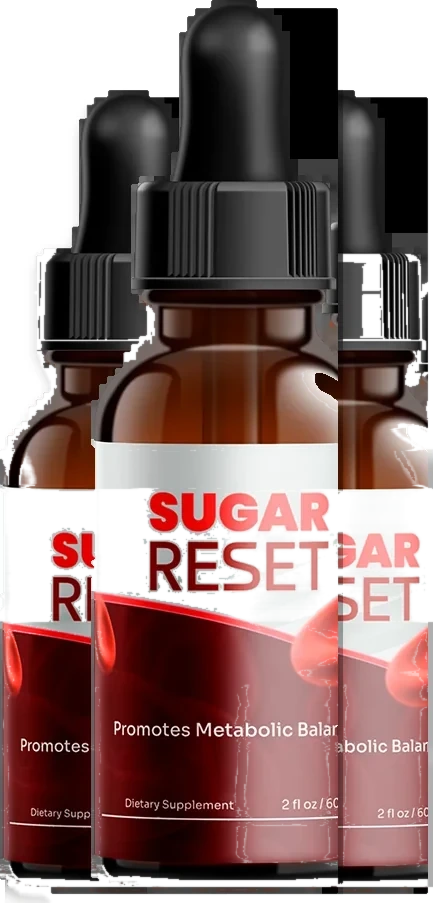
Neither berberine nor cinnamon — see what is actually on the panel
SugarReset pairs chromium picolinate with a gymnema-led 200 mg botanical blend and lists neither berberine nor cinnamon. To see the full panel, the current bundle options, the guarantee terms and where to buy from the official store, the details are on the order page.
See SugarReset Options