Berberine HCl vs Standardized Extract: How to Judge True Potency
Quick Answer: What Is the Difference Between Berberine HCl and a Standardized Extract?
Berberine HCl is the stable salt form of berberine used in most human trials, so a milligram figure beside it is close to pure active. A standardized extract states a percentage — for example 97% berberine — that tells you the active content of the material. Always read the active-milligram amount, not just the capsule weight.
- Berberine HCl: the named, well-studied form with the largest evidence base.
- Standardized extract: the percentage reveals the true active per capsule.
- Watch for: a big milligram number with no form and no percentage.
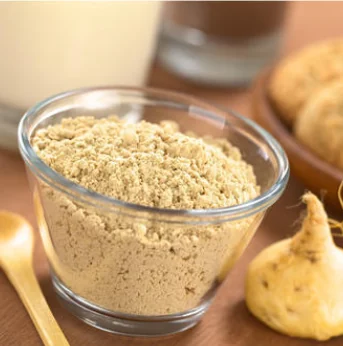
Why berberine HCl vs standardized extract is the question that decides potency
If you are comparing two berberine bottles, the label term that decides everything is easy to miss: whether the ingredient is listed as berberine HCl, as a standardized extract with a percentage, or as a plain plant powder with neither. That single distinction is the difference between knowing what you are taking and guessing. Two products can print the same bold “500 mg” on the front and deliver completely different amounts of the compound the research was actually about. The NIH Office of Dietary Supplements’ primer on what to know before you buy a dietary supplement makes the same point about reading a panel rather than a front label.
This is the most common way shoppers overpay for berberine, or underdose themselves without realising it. The milligram figure feels like the important number — it is big, it is bold, it is what the marketing points at — but on its own it describes the weight of material in the capsule, not the active content inside that material. Learning to read past it takes about two minutes and saves you from a whole category of mistake. That is what this guide is for.
None of this is about chemistry for its own sake. It is about being able to look at a supplement facts panel and answer one practical question: how many milligrams of actual berberine am I getting per capsule? Everything below is built to let you answer that on any label you pick up.
What berberine HCl means on a label
Berberine HCl is berberine combined with hydrochloride to form a stable salt. That sounds technical, but the practical takeaway is simple and reassuring: berberine HCl is the exact form used in the large majority of the human trials on berberine. When a label names berberine HCl, it is pointing at the specific, well-characterised compound that the research studied — not a vague “berberis root extract” of unknown strength. The trial most often cited for berberine, Yin et al. in Metabolism (2008), used berberine hydrochloride specifically, which is why the salt form is the one the evidence base rests on.
The salt form also happens to be nearly all active by weight. A high-purity berberine HCl is typically standardised to something like 97% berberine, so a 500 mg listing delivers roughly 485 mg of active berberine. That is why berberine HCl is the form with the largest evidence base and the one most guides, including ours, treat as the reference point. When you see it on a label, the milligram figure beside it means very close to what it appears to mean. That is a rarer thing on a supplement panel than you might expect, and it is a point in the product's favour before you have read anything else. It also pairs with a practical routine question — our guide on the best time to take berberine with meals covers how to split that active amount across your day.
How to read a standardized extract percentage
The word “extract” on its own tells you almost nothing. An extract is just plant material that has been concentrated, and how much it was concentrated — and to what active content — is exactly the information you need and exactly what the bare word hides. This is where standardisation earns its keep.
A standardised extract carries a percentage: “standardised to 97% berberine”, or for other botanicals something like “standardised to 25% gymnemic acids”. That percentage is the key that unlocks the milligram figure. The arithmetic is simple: multiply the listed amount by the percentage to get the active content. Five hundred milligrams of an extract standardised to 97% delivers about 485 mg of berberine. Five hundred milligrams standardised to 10% delivers just 50 mg. Same milligram figure on the front of the box; nearly a tenfold difference in what you actually take.
Some labels use an extract ratio instead of, or alongside, a percentage — something like 10:1, meaning ten parts raw plant were concentrated into one part extract. A ratio is better than nothing, but it still does not tell you the active content directly the way a marker-compound percentage does. When you can get it, the percentage is the more useful number. If reading these panels is new to you, our step-by-step guide to reading the doses on a blood sugar supplement label walks through the whole supplement facts panel in the same spirit.
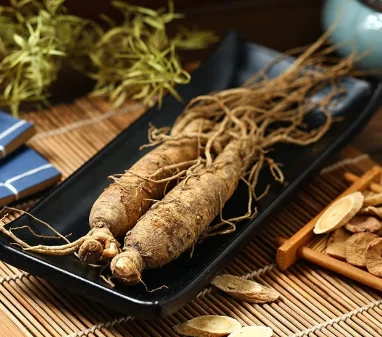
Does a 500mg capsule equal 500mg of active berberine?
This is the question the whole article turns on, and the honest answer is: not necessarily. A “500 mg” listing tells you the weight of the material in the capsule. It does not, by itself, tell you how much berberine is inside that material. Whether the two numbers are close depends entirely on the form.
If the ingredient is berberine HCl, the 500 mg is nearly all active, and the capsule delivers close to 500 mg of berberine. If it is an extract standardised to a stated percentage, you multiply to find out — and the result may be much lower. And if it is an unstandardised root powder, the 500 mg could contain only a small fraction of berberine, because the natural plant carries a modest amount of the compound diluted through a lot of inert material. Three products, all printing 500 mg, delivering anywhere from close to 500 down to a token amount of active. The capsule weight was never the number that mattered.
| What the label says | Listed amount | Active berberine you actually get |
|---|---|---|
| Berberine HCl (~97%) | 500 mg | About 485 mg — the figure means what it says |
| Extract standardised to 50% | 500 mg | About 250 mg — half the capsule weight |
| Extract standardised to 10% | 500 mg | About 50 mg — a tenth of the capsule weight |
| Unstandardised root powder | 500 mg | Unknown — usually a small, undisclosed fraction |
Read that table once and the marketing loses its grip on you. The bold milligram figure is the same across every row; the only thing that changes the answer is the form and the percentage. That is why the active-milligram content, not the capsule weight, is the number to compare between products.
Check the active amount, not the capsule weight
Run the same test on any product you are weighing up, SugarReset included: its panel states an amount for chromium picolinate and places its botanicals inside a 200 mg proprietary blend, which is the pattern this article teaches you to spot. The full panel, the current bundle options and the guarantee terms are on the official page.
Check Availability & OptionsMyth: “A higher milligram number always means a stronger product”
This is the belief the whole category quietly runs on, and it is wrong often enough to cost people money. A 1,000 mg unstandardised root powder can easily contain less active berberine than a 200 mg listing of berberine HCl. The bigger number looks stronger and photographs better, but if it describes weakly concentrated plant material, it is bulk, not potency. Manufacturers know shoppers anchor on the largest figure, and a big milligram number is one of the cheapest ways to look impressive.
The fix is the habit this article keeps returning to: never compare the front-of-box milligrams. Compare the active content. Find the form, apply the percentage if there is one, and only then line two products up against each other. Do that and the “stronger” product frequently turns out to be the weaker one.
Myth: “Standardised extract is always better than berberine HCl”
“Standardised” sounds premium, so it is tempting to assume it beats the plainer-sounding berberine HCl. In fact berberine HCl is a standardised, high-purity form — it just states its identity through the salt name rather than a percentage. What actually matters is not which word appears but whether you can calculate the active amount. A standardised extract at 97% and a berberine HCl at 97% are, for practical purposes, the same thing described two ways.
Where “standardised” deserves scrutiny is when the percentage is low or missing. “Standardised extract” printed with no number is marketing, not information — it uses the reassuring word while withholding the figure that would let you check it. Treat the presence of a stated percentage, not the presence of the word, as the quality signal.
Myth: “The form does not matter as long as it is berberine”
It is true that berberine is berberine at the molecular level. But you do not consume molecules off a spreadsheet — you consume a capsule of material, and the form determines how much berberine that capsule contains and how well it lines up with what the research used. A study that reported results at around a gram to a gram and a half of berberine a day was measuring active berberine, not capsule weight. To match that intake, you have to know your active content, which means you have to know your form.
So the form is not a trivia detail. It is the bridge between what a trial did and what your bottle delivers. This is also why the form question folds into the broader buying decision — our buyer's guide to blood sugar management supplements puts potency alongside the other signals worth checking, and our overview of berberine's benefits for blood sugar covers what the evidence supports and where it stops.
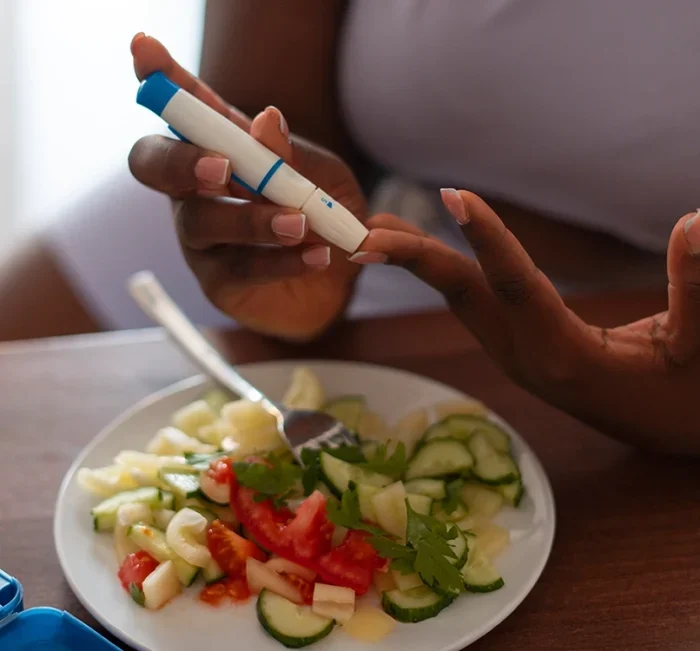
A quick method for judging any berberine label
Here is the whole process in four steps you can run in the aisle or on a product page.
One: find the form. Is it berberine HCl, a standardised extract, or an unnamed root powder? If it is HCl, the milligrams are close to active. If it is a powder with nothing else stated, be cautious.
Two: find the percentage. For any extract, look for the standardisation figure. No percentage means no way to know the active content, and that is a mark against it.
Three: do the multiplication. Listed milligrams times the percentage equals active berberine per serving. This is the only number worth comparing between products.
Four: check it against the studied range. The trials clustered around a gram to a gram and a half of active berberine daily, usually split across meals. See how your product's active content per day compares — a good product lands near that range, not an order of magnitude below. A 2024 Frontiers in Pharmacology systematic review of berberine alone and in combination covers the same daily range used across the trial literature.
Run those four steps and you are reading berberine labels better than most shoppers ever will. The formula we cover on this site, SugarReset, is worth putting through the same four steps as anything else you are weighing up.
The milligram figure on the front of a berberine box is a claim about weight. The form and the standardisation percentage are what turn that weight into a dose you can actually judge.
What potency still cannot tell you
Knowing your active milligrams is a huge step up from reading the front of the box, but it is a filter, not a verdict. A correctly dosed berberine HCl is a product whose potency you can verify — it is not a product that is guaranteed to work for you. Trials report averages, and averages hide the people who saw nothing; baseline glucose, diet, activity, sleep and body weight all move the result, and none of that is on the label.
Potency also cannot confirm the capsule matches its label, which is why third-party testing and a certificate of analysis still matter even when the form and percentage look right. A stated percentage is a claim; a test is a check. And potency says nothing about disease. Berberine is a dietary supplement studied as support for normal glucose metabolism alongside diet and activity — not a treatment, and not a substitute for prescribed medication. Because it can genuinely lower blood sugar, the stronger and better-dosed the product, the more important that last point becomes. That gap is documented rather than hypothetical: a 2020 review in Comprehensive Reviews in Food Science and Food Safety surveys the DNA-based methods used to check whether botanical supplements contain what they claim.
Medical note: this article is general reading, not personal medical advice. Berberine can lower blood sugar and may interact with insulin and other glucose-lowering medication, potentially dropping levels further than intended — and a higher-potency, correctly dosed product only makes that more relevant. Speak to a healthcare professional before starting berberine, especially if you take any medication.
Frequently asked questions
What does berberine HCl mean on a label?
Berberine HCl is berberine bound to hydrochloride to form a stable salt, and it is the exact form used in most of the human research on berberine. When a label says berberine HCl, it is naming the specific, well-studied compound rather than a vague plant extract, which is why it is the form with the largest evidence base behind it.
How do I read a standardized berberine percentage?
A standardization percentage tells you how much actual berberine sits inside the extract. Standardized to 97% berberine HCl means 97 percent of that ingredient's weight is berberine, so a 500 mg amount delivers about 485 mg of active. Without a percentage, a big milligram number describes plant material of unknown strength, not a known dose of berberine.
Does 500mg capsule equal 500mg of active berberine?
Not necessarily. A 500 mg capsule tells you the weight of the material inside, not how much berberine it contains. Only if it is berberine HCl or an extract standardized to a stated percentage can you work out the active amount. An unstandardized 500 mg root powder may deliver far less berberine than the number suggests.
Which form should I trust?
Favor berberine HCl, or an extract that clearly states its standardization percentage, because both let you calculate the active milligrams you actually receive. A label that prints only a raw milligram weight with no form and no percentage is asking you to take the potency on faith, and that is the one situation worth being skeptical about.
Scientific references
- NIH Office of Dietary Supplements — Dietary Supplements: What You Need to Know
- NIH NCCIH — Diabetes and Dietary Supplements: What You Need To Know
- PubMed 18442638 — Yin et al., “Efficacy of berberine in patients with type 2 diabetes mellitus” (Metabolism, 2008)
- LiverTox / NCBI Bookshelf — Berberine overview
- U.S. FDA — Dietary Supplements overview and labelling
Related reading
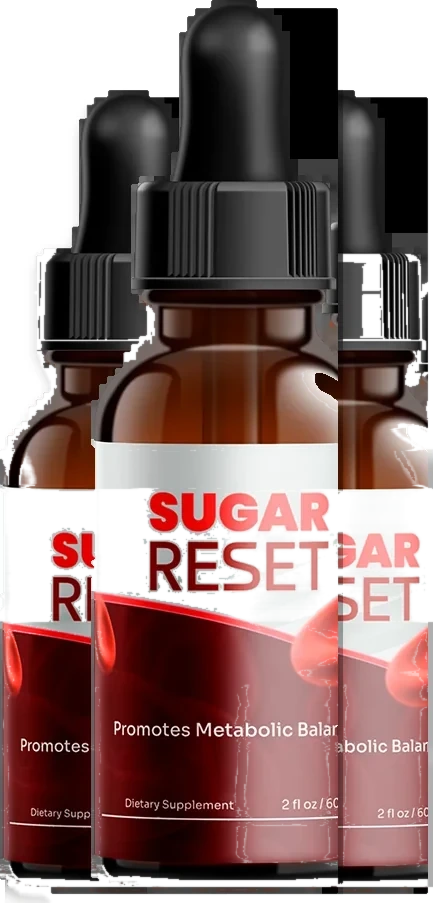
Put SugarReset's potency through the four checks
One daily liquid serving, a stated chromium amount, and the rest of the botanicals inside a 200 mg proprietary blend — read it the way this article reads any panel. The current bundle options and the official store are on the order page.
See SugarReset Options