Cinnamon for Blood Sugar: Benefits, Dosage and the Kitchen-Spice Myths
Quick Answer: What Does Cinnamon Do for Blood Sugar?
The cinnamon blood sugar effect is real but modest. Trials using 1–6 grams a day over about 40 days reported reduced fasting glucose and some improvement in blood lipids, though results are inconsistent. Ceylon cinnamon is preferred over cassia because it contains far less coumarin. Treat cinnamon as a supporting ingredient that adds to a good diet, not a replacement for one.
- Studied dose: roughly 1–6 grams daily — grams, not milligrams.
- Type matters: Ceylon over cassia for lower coumarin and liver safety.
- Reality check: modest and additive to diet, never a cure.
The cinnamon blood sugar effect: real, but smaller than the hype
Few ingredients carry as much folk reputation as cinnamon. It is the spice people sprinkle on oatmeal in the belief it will cancel out the carbs, the one shared in wellness posts as a natural fix. So it is worth stating clearly up front: the cinnamon blood sugar effect is real enough to have been measured in human trials, but it is far smaller than the internet suggests, and separating that genuine, modest effect from the kitchen-spice mythology is the entire point of this article.
Cinnamon comes from the inner bark of trees in the Cinnamomum family, and it has been studied for glucose for a couple of decades now. The research is interesting and worth taking seriously. It is also inconsistent, dose-dependent and easy to misread, which is exactly why cinnamon is one of the most oversold ingredients on the shelf. Here is what the trials actually found, how much you would need, why the type of cinnamon matters more than most people realise, and how to check whether a blood sugar formula such as SugarReset carries cinnamon at all. If you arrived here weighing it against the category's heavyweight, our head-to-head on berberine vs cinnamon for blood sugar puts the two bodies of trial evidence side by side.

What the trials found: 1–6 grams a day over about 40 days
The useful cinnamon research clusters around a particular design: participants took somewhere between 1 and 6 grams of cinnamon per day, usually for around 40 days, and researchers measured fasting glucose and blood lipids before and after. Several of those studies reported reductions in fasting glucose, and some also saw improvements in cholesterol and triglycerides — a lipid effect that echoes what turns up with other metabolic ingredients. That design comes straight from Khan et al. in Diabetes Care (2003), which gave 1, 3 or 6 grams of cassia cinnamon daily for forty days and reported falls in fasting glucose and in blood lipids.
That is the encouraging half. The honest half is that the results are inconsistent. Pool all the cinnamon trials together and the effect gets smaller and shakier, because for every study showing a clear benefit there is another showing very little. Trial populations differ, the type and quality of cinnamon differ, and the doses differ, so the literature does not speak with one voice. The fair summary a careful reader lands on is: a small, plausible effect on fasting glucose, most visible at the higher end of the dose range, layered on top of diet rather than doing the job by itself. The Cochrane review of cinnamon for diabetes mellitus pooled the randomised evidence and concluded there was insufficient evidence to support using cinnamon for type 1 or type 2 diabetes.
Notice the number, though, because it is the detail that decides everything downstream: grams. One to six grams a day. Hold on to that figure, because it is where most cinnamon supplements quietly fall apart, and it is the single most important thing to check before you believe a cinnamon claim on a label.
The dosage trap: grams in the studies, milligrams on the label
Here is the disconnect that catches almost everyone. The trials used cinnamon in grams. A great many supplements list cinnamon in milligrams — commonly 50 to 500 mg. A gram is a thousand milligrams, so a 100 mg cinnamon inclusion is somewhere between one-tenth and one-sixtieth of a studied dose. The ingredient is on the front of the box in bold; the amount inside is a fraction of what the research used.
This is not necessarily dishonest. Cinnamon is bulky, it has a strong flavour, and fitting several grams of it into a capsule alongside other ingredients is genuinely hard — there is only so much room. But the practical consequence for a buyer is unavoidable: a cinnamon amount printed in milligrams is very unlikely to reproduce the trial results, and the ingredient's reputation does not transfer to a dose that small. When you see cinnamon on a label, the first move is always to check whether the number is in grams or milligrams. If it is milligrams, treat it as a flavour or a supporting touch, not a studied dose. Our guide to reading the doses on a blood sugar supplement label walks through this exact arithmetic across every common ingredient.

See cinnamon dosed alongside a real anchor
Cinnamon shines as a supporting ingredient next to a well-dosed anchor. SugarReset takes a different route: chromium picolinate with a stated amount alongside a 200 mg botanical blend led by gymnema, with no cinnamon on the panel. The full ingredient list and the current bundle options are laid out on the official page.
Check Availability & OptionsCeylon versus cassia: the coumarin question
Most people do not realise that "cinnamon" is not one thing. The two types you will actually meet are Ceylon cinnamon (sometimes called "true" cinnamon) and cassia cinnamon, which is cheaper and by far the most common in supermarkets and cheap supplements. They taste similar, but they differ in a way that matters for anyone taking cinnamon regularly: coumarin content.
Coumarin is a naturally occurring compound found in cinnamon, and in high amounts it is a concern for the liver. Cassia cinnamon contains a lot of it. Ceylon cinnamon contains very little — a small fraction of the cassia level. For an occasional sprinkle on a dessert, the difference is academic; nobody is going to trouble their liver with a pinch of cinnamon now and then. But the whole premise of taking cinnamon for blood sugar is taking it daily, potentially at higher amounts, for weeks — and that is precisely the scenario where coumarin adds up and the Ceylon-versus-cassia distinction stops being trivia. NCCIH’s page on cinnamon sets out the same coumarin distinction between cassia and Ceylon.
The practical rule follows directly. If you are going to take cinnamon every day, Ceylon is the safer choice, and a product or a jar that specifies Ceylon is showing you a useful piece of transparency. A label that just says "cinnamon" with no type named is almost certainly cassia, and leaves you unable to judge the coumarin load. This is one of those quality signals that separates a carefully built product from a cheap one, and it sits alongside the others we cover in our look at the evidence behind berberine and cinnamon blood sugar supplements.
Three cinnamon myths, corrected
Myth one: "Cinnamon on my carbs cancels them out." It does not. Even in the trials where cinnamon lowered fasting glucose, the effect was modest and measured over weeks of consistent intake — not an instant neutraliser you can sprinkle on a doughnut to erase it. Cinnamon is additive to a good diet; it is not an eraser for a poor one, and treating it as a licence to eat more sugar gets the relationship exactly backwards.
Myth two: "More cinnamon is always better." This is where the coumarin issue bites. Piling on cassia cinnamon in pursuit of a bigger glucose effect increases coumarin exposure at the same time, so chasing a larger dose of the wrong type is the one place cinnamon can move from harmless to worth-watching. The sensible target is a studied amount of Ceylon, not the maximum amount of whatever is cheapest.
Myth three: "The supplement must be stronger than the spice." Not automatically. A cinnamon capsule listing 200 mg is carrying less cinnamon than a decent pinch from your own jar, and the jar might even be Ceylon while the capsule is unspecified cassia. The format does not guarantee a bigger or better dose — only the number and the type on the label do. If you want the full version of this reasoning across the category, our comparison of chromium for blood sugar and how it is dosed shows how differently two supporting ingredients behave on the same label.
Food, supplement, or both: how to actually use cinnamon
So what should a sensible person do with all this? If you enjoy cinnamon, using Ceylon cinnamon in your food is a pleasant, low-risk everyday habit, and it delivers a small contribution without any label to scrutinise. The limitation is that reaching the higher studied amounts through cooking alone is hard, and the cinnamon in most cupboards is cassia. A standardised supplement solves the consistency problem — a known amount of a known type, taken the same way each day — but it cannot solve the bigger one: cinnamon is a modest ingredient, and no format turns a modest ingredient into a powerful one.
That is why the smartest place for cinnamon is rarely on its own. It works best as one supporting player in a formula that also carries an anchor ingredient with deeper evidence. It is worth saying plainly that the SugarReset blood sugar formula does not use cinnamon at all: its 200 mg blend is led by gymnema alongside African mango, green tea, maca and Panax ginseng, with chromium picolinate as the one ingredient carrying a stated amount. If you want to understand the anchor that cinnamon supports, our explainer on the berberine supplement benefits behind the formula covers the evidence cinnamon is meant to complement, not carry. Put head to head, berberine versus cinnamon for blood sugar shows how far apart the two sit on evidence and on dose.
The bottom line on cinnamon is refreshingly simple once the myths are cleared away. Real but small effect, measured in grams not milligrams, Ceylon over cassia for daily use, additive to a good diet and no substitute for it, and best deployed as a supporting ingredient rather than a solo act. Take it with that understanding and cinnamon is a reasonable, honest addition. Take it as a magic spice and it will only ever disappoint. NCCIH’s overview of diabetes and dietary supplements lands in the same place.
Related reading
Medical note: this article is general reading, not personal medical advice. Speak to a healthcare professional before starting any supplement, especially if you take glucose-lowering medication, have liver concerns, are pregnant or nursing, or manage a health condition such as diabetes. High daily intakes of cassia cinnamon in particular are worth discussing because of coumarin content.
Frequently asked questions
Does cinnamon really lower blood sugar?
Cinnamon can have a modest effect on fasting blood sugar, but the evidence is mixed rather than decisive. Studies using roughly 1 to 6 grams a day over about 40 days have reported reduced fasting glucose and some improvement in blood lipids, while other trials found little change. The realistic picture is a small, additive effect on top of a good diet, not a dramatic one and not a substitute for it. Cinnamon is best thought of as a supporting ingredient rather than a standalone answer to blood sugar.
How much cinnamon per day is used in studies?
Most trials that reported a benefit used between 1 and 6 grams of cinnamon per day, taken over around 40 days. That is grams, not milligrams, which matters enormously when reading a label. Many supplements print 50 to 500 milligrams of cinnamon, an amount roughly ten to a hundred times smaller than the studied doses. So a bottle can list cinnamon prominently and still carry far too little to match the research the ingredient borrows its reputation from.
Is Ceylon cinnamon safer than cassia?
Ceylon cinnamon is generally preferred for regular supplemental use because it contains much less coumarin, a compound that in high amounts is a concern for the liver. Cassia cinnamon, the cheaper and more common type in supermarkets, contains far more coumarin. For occasional culinary sprinkling the difference rarely matters, but if you are taking cinnamon daily at higher amounts, Ceylon is the safer choice and a label that specifies Ceylon is showing useful transparency.
Can I just add cinnamon to food instead of a supplement?
You can, and for a small everyday contribution that is perfectly reasonable, especially with Ceylon cinnamon. The limitations are that hitting the higher studied amounts through food alone is difficult, the type of cinnamon in your cupboard is usually cassia with more coumarin, and the effect is modest either way. A standardised supplement makes the dose and the cinnamon type consistent, but it does not turn a modest ingredient into a powerful one, and it works best alongside diet rather than instead of it.
Scientific references
- NIH NCCIH — Cinnamon: What You Need To Know
- NIH NCCIH — Diabetes and Dietary Supplements: What You Need To Know
- PubMed 37818728 — Moridpour et al., “The effect of cinnamon supplementation on glycemic control in patients with type 2 diabetes mellitus: An updated systematic review and dose-response meta-analysis of randomized controlled trials” (Phytother Res, 2024)
- NIH Office of Dietary Supplements — Dietary Supplements: What You Need to Know
- Harvard T.H. Chan School of Public Health — Carbohydrates and Blood Sugar
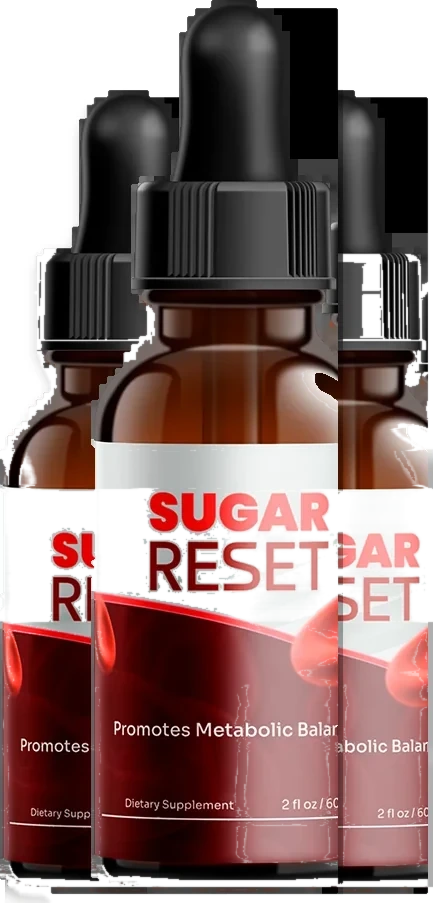
Check the panel before you assume cinnamon is in it
SugarReset pairs chromium picolinate with a gymnema-led 200 mg botanical blend and lists no cinnamon. To see the full panel, the current bundle options, the guarantee terms and where to buy from the official store, the details are on the order page.
See SugarReset Options