Chromium for Blood Sugar: What the Evidence and the Dose Really Say
Quick Answer: Does Chromium for Blood Sugar Actually Work?
Chromium for blood sugar plays a supporting role: it may help insulin work more efficiently, with modest and mixed evidence. Benefit is likeliest in people with low chromium status or poor glucose control. Trials pairing chromium with cinnamon and carnosine lowered fasting glucose versus placebo. Typical supplemental doses are 200–500 micrograms, and it works best beside a well-dosed anchor ingredient.
- Mechanism: supports insulin sensitivity rather than forcing glucose down.
- Dose: measured in micrograms — commonly 200–500 mcg daily.
- Best use: a co-star alongside berberine or cinnamon, not a solo act.
Why chromium for blood sugar shows up in almost every formula
Turn over a bottle of almost any glucose-support supplement and chromium is nearly always there, usually near the bottom of the panel in a small microgram amount. That near-universal presence is worth understanding, because chromium for blood sugar is not the star of the show — it is the reliable supporting actor that formulators reach for to round out a blend. Understanding what it does, and what it does not do, tells you a lot about how these products are built.
Chromium is an essential trace mineral, meaning your body needs a tiny amount of it and gets most of that from food — whole grains, meat, broccoli, some fruits. Its relevance to glucose comes from its proposed role in helping the hormone insulin do its job. That is the whole pitch, and it is a genuinely different pitch from an ingredient like berberine. Chromium is not trying to push glucose down directly; it is trying to make the body's own insulin a little more effective. This deep-dive covers where that idea holds up, where it falls short, and why a formula such as SugarReset pairs chromium with a botanical blend rather than leaning on the mineral alone.

The insulin-sensitivity evidence, stated plainly
The mechanism people cite for chromium is insulin sensitivity: the idea that adequate chromium helps insulin bind and signal more efficiently, so the body needs less of it to move the same glucose. That is a plausible mechanism with decades of interest behind it. The trouble is that plausible mechanism and consistent human result are two different things, and chromium is a textbook case of the gap between them.
Across the trial literature, the results are genuinely mixed. Some studies report improvements in fasting glucose or insulin markers; others find little to nothing. When you look for the pattern behind the noise, the clearest one is about baseline status. Chromium is most likely to help the people who had the least of it to start with, or whose glucose control was already poor. In well-nourished people with normal chromium intake, adding more tends to do very little, which makes sense for a nutrient rather than a drug: topping up a deficiency helps, piling extra on top of sufficiency does not. Both outcomes are in the record: a 2015 randomised study in the Journal of Trace Elements in Medicine and Biology reported improved glycaemic control with chromium picolinate, while a 2007 randomised, double-blind trial in Diabetes Care found no effect at all in a Western population with type 2 diabetes.
This is the honest framing that a lot of marketing skips. Chromium is not a strong, dependable glucose-lowering agent the way the berberine data suggests berberine is. It is a modest, conditional one. That does not make it useless — a correctly dosed trace mineral that supports insulin function is a reasonable inclusion — but anyone selling chromium as a standalone answer to blood sugar is overselling a supporting ingredient into a leading role.
Combination trials: chromium with cinnamon and carnosine
Chromium tends to look better in company than alone, and that is not an accident of marketing — it shows up in the trial design too. Some of the more interesting results come from combination studies, where chromium is tested alongside other ingredients rather than by itself. Trials combining cinnamon, chromium and carnosine, for example, have reported reductions in fasting plasma glucose versus placebo. That kind of result is exactly why chromium so often travels with other glucose ingredients rather than solo. That specific pairing has been tested: a 2015 PLOS ONE trial of a cinnamon, chromium and carnosine supplement reported lower fasting plasma glucose in overweight or obese prediabetic participants.
The logic of combining is straightforward. If chromium supports insulin sensitivity, cinnamon may influence glucose handling through its own routes, and an anchor like berberine works through yet another, then a small dose of each can approach the same picture from several directions at once. The whole can plausibly do a little more than any single modestly-evidenced part. That is the reasonable version of the "synergy" argument — not that combining creates a dramatic new effect, but that it stacks several small, differently-routed nudges.
The caveat that applies to every multi-ingredient formula applies here too: a combination is only as good as its individual doses, and combination trials test one specific recipe, not every blend that happens to contain the same names. If you want to see how the whole category stacks up rather than one pairing, our roundup of glucose-lowering supplements compared for 2026 lines the common ingredients up against each other on evidence and dose.
See chromium paired with a real anchor dose
Chromium works best as a co-star. SugarReset is one example of that structure — chromium picolinate with a stated amount, alongside gymnema, African mango, green tea, maca and Panax ginseng inside a 200 mg proprietary blend. The full panel and current bundle options are on the official page.
Check Availability & OptionsHow much chromium for blood sugar is a real dose?
Here is one of the few pieces of genuinely reassuring news in the supplement-label world: with chromium, the amount on the label usually is a real, studied amount. That is because chromium is dosed in micrograms — thousandths of a milligram — so even a small, cheap inclusion can land inside the range trials actually used. Blood-sugar formulas commonly carry somewhere between 200 and 500 mcg of chromium per day, and that sits comfortably within the studied window. The NIH Office of Dietary Supplements’ chromium fact sheet for health professionals sets out the same intake figures and the limits of the evidence behind them.
Contrast that with cinnamon, where labels routinely print 50–500 mg against a studied range measured in grams, an order of magnitude short. Chromium rarely has that problem, precisely because the studied dose is so small. This is the ingredient where "reaching a studied dose" is cheap and easy, which is another reason it is nearly always present.
More is not better, though. Very high chromium intakes have no proven extra benefit for glucose, and there is no reason to chase big numbers on a chromium line the way you might scrutinise a berberine line for being too small. A stated form matters more than a bigger number here. If a label says "chromium 400 mcg (as chromium picolinate)", you know both the amount and the version that most trials used. If it just says "chromium", you are missing half the picture. Learning to read those distinctions is the whole point of our guide to the quality signals that separate blood sugar supplement brands.
Picolinate, polynicotinate and why the form matters
Not all chromium on a label is the same chromium. The mineral is bound to a carrier to help it absorb, and the most common carrier in research is picolinate — hence chromium picolinate, the form you will see most often. It became the default in trials largely because it absorbs reasonably well and because researchers standardised on it, so it simply has the most human data behind it.
Other forms exist: chromium polynicotinate, chromium chloride, chromium histidinate and others. They are not necessarily worse, but they have been studied far less, so the evidence you can point to is thinner. From a buyer's standpoint the practical rule is simple. A named form is a small transparency signal; an unnamed "chromium" leaves you guessing. It is the same principle that runs through all careful label reading — the more specific the panel, the more of the research you can actually map onto the product in your hand.
Two objections about chromium, addressed
"If the evidence is mixed, isn't chromium just filler?" This is the most common criticism, and it deserves a straight answer. Chromium is not filler in the sense of being inert padding — it is an essential nutrient with a real mechanism and a real, if modest and conditional, body of evidence. But it is also not the ingredient that will carry a formula. The fair conclusion is that chromium earns a place as a supporting nutrient, not a headline. A product that leans its entire pitch on chromium is weak; a product that includes a proper chromium dose alongside a well-dosed anchor is sensible.
"Can't I just get chromium from food?" Often, yes. Whole grains, meat, broccoli and some fruits supply chromium, and many people meet their needs through diet. That is exactly why supplemental chromium tends to help most where intake was low. It is not a reason to dismiss it in a formula — a modest top-up is low-risk and inexpensive — but it is a reason to keep expectations grounded. Chromium supports a system; it does not override it, and it is no substitute for the diet, movement and, where relevant, medical care that manage blood sugar. The same baseline-status logic runs through vitamin D and blood sugar in prediabetes, where correcting a genuine deficiency is what moves the needle rather than piling more on top of sufficiency.
Where chromium sits in the SugarReset formula
Everything above explains why a well-designed glucose formula treats chromium as a member of the supporting cast rather than the lead. Berberine carries the deepest evidence and does the heavy lifting; cinnamon adds a familiar, food-derived contribution; chromium tops up an insulin-supporting nutrient at a dose that is genuinely within the studied range. Each works through a slightly different route, which is the sensible case for combining them at all.
The SugarReset blood sugar formula follows exactly that logic, pairing chromium with a gymnema-led botanical blend rather than asking any single ingredient to do everything — though it is worth knowing that only the chromium carries a disclosed amount. If you are weighing chromium against other supporting players, our breakdown of cinnamon's blood sugar benefits and dosage covers the ingredient chromium is most often combined with, and where its evidence is stronger or weaker than the mineral's. The takeaway for chromium itself is consistent: a modest, well-dosed supporting nutrient, best judged by the company it keeps and the form it names, never by the size of its number alone.
Related reading
Medical note: this article is general reading, not personal medical advice. Speak to a healthcare professional before starting any supplement, especially if you take insulin or other glucose-lowering medication, are pregnant or nursing, or manage a health condition such as diabetes or kidney disease.
Frequently asked questions
Does chromium lower blood sugar?
Chromium may modestly support blood sugar by helping insulin work more efficiently, but the evidence is mixed rather than settled. Trials are most likely to show a benefit in people whose chromium intake or glucose control was poor to begin with, and least likely to show much in people who were already well-nourished. Combination trials pairing chromium with cinnamon and carnosine have reported lower fasting plasma glucose versus placebo. The honest summary is a supporting role with modest, inconsistent evidence, not a standalone fix.
How much chromium is used in blood sugar supplements?
Supplemental chromium is measured in micrograms, not milligrams, and blood-sugar formulas commonly carry somewhere between 200 and 500 micrograms per day. That range sits within the amounts used in many trials, which is one of the few places where a botanical-heavy formula usually does reach a studied dose, because the amount needed is so small. More is not automatically better; very high intakes offer no proven extra benefit and are worth avoiding.
Is chromium picolinate the best form?
Chromium picolinate is the form used in most human trials, largely because it is absorbed reasonably well and is the version researchers standardised on, so it has the most data behind it. Other forms such as chromium polynicotinate and chromium chloride exist, but they have been studied less. If a label simply says chromium with no form named, you cannot tell which you are getting, so a stated form like picolinate is a small mark of transparency.
Does chromium work better with cinnamon or berberine?
Chromium is usually included as a co-star rather than the lead. It pairs naturally with berberine, which carries the strongest glucose evidence of the common ingredients, and with cinnamon, which has been combined with chromium and carnosine in trials that lowered fasting glucose versus placebo. The point of pairing is that each ingredient works through a slightly different route, so a small dose of chromium complements a well-dosed anchor ingredient rather than trying to carry the formula alone.
Scientific references
- NIH Office of Dietary Supplements — Chromium Fact Sheet for Health Professionals
- NIH NCCIH — Diabetes and Dietary Supplements: What You Need To Know
- PubMed 32730903 — Asbaghi et al., “Effects of chromium supplementation on glycemic control in patients with type 2 diabetes: a systematic review and meta-analysis of randomized controlled trials” (Pharmacol Res, 2020)
- NIH Office of Dietary Supplements — Dietary Supplements: What You Need to Know
- Harvard T.H. Chan School of Public Health — Carbohydrates and Blood Sugar
Chromium in its supporting role
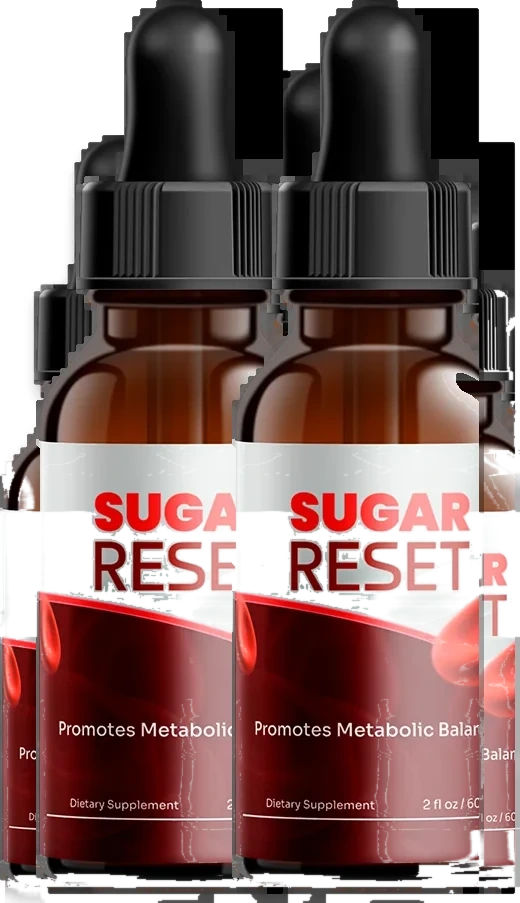
SugarReset pairs chromium picolinate, the one ingredient with a stated amount on its panel, with a 200 mg botanical blend led by gymnema. To see the current bundle options, the guarantee terms and where to buy from the official store, the details are on the order page.
See SugarReset Options