Blood Sugar Management Supplements: A Buyer's Guide to What Actually Matters
Quick Answer: How Do You Choose a Blood Sugar Supplement?
Choose blood sugar management supplements by the label, not the marketing. Prioritise formulas that name every active ingredient with its own milligram amount, use clinically studied doses and standardised extracts, and show third-party testing. Skip products that bury their headline botanicals in a proprietary blend, and judge value by price per effective dose rather than sticker price.
- Green light: full disclosure, studied doses, standardised extracts, third-party seal.
- Red flag: proprietary blends hiding the main ingredients.
- Value test: cost per effective daily dose, not the price on the box.
Why most blood sugar management supplements look identical — and are not
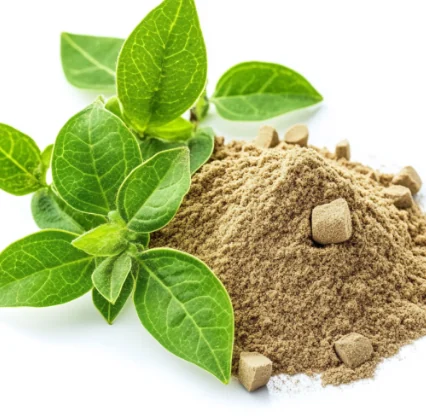
Search any marketplace and the blood sugar management supplements blur together. The same botanicals appear on every bottle — berberine, cinnamon, gymnema, banaba, bitter melon, chromium — photographed against the same clean backgrounds, sold with the same reassuring language. On the surface, a nine-dollar bottle and a forty-dollar bottle look like the same product with a different sticker. They are not, and the gap between them is almost never visible in the marketing. It is visible in the numbers.
This guide is about learning to read those numbers so you can tell a serious formula from a decorative one in about two minutes. None of it requires a science background. It requires knowing what four things to look for and what handful of red flags to walk away from. Do that, and you will filter out the majority of the shelf before you ever compare prices — which is the correct order to shop in, because a cheap bottle of nothing is not a bargain.
The honest framing up front: no supplement in this category is a treatment, and this guide will not tell you one brand is guaranteed to work. What it will do is help you spot the products whose claims can actually be checked, and separate them from the ones designed to look impressive and cost the manufacturer as little as possible to fill.
Signal one: clinically used doses, not just familiar names
The most important thing on a blood sugar supplement label is not the ingredient list — it is the milligram amount beside each name. Nearly every botanical studied for glucose metabolism shows a dose relationship: below a threshold, trials find nothing worth reporting; near the amount actually tested, some trials find a measurable change. That means a well-known ingredient at an unstudied dose is a marketing claim wearing a lab coat, not a finding.
Cinnamon is the textbook example. It appears on hundreds of boxes at 50 to 500 mg, while the trials that reported anything used one to six grams — up to a hundred times more. Berberine, the ingredient with the strongest evidence in the category, was studied at around a gram to a gram and a half a day, yet plenty of products carry a token 100 or 200 mg and print it in the same bold font. Same name, completely different expectation. Learning to spot the gap between shelf dose and studied dose is the single highest-value skill in this whole guide, and our breakdown of how to read the doses on a blood sugar supplement label walks through it ingredient by ingredient. The cinnamon figure is not a guess: Khan et al. in Diabetes Care (2003) gave 1, 3 or 6 grams a day for forty days, while the berberine evidence rests on a 2022 meta-analysis of 37 randomised trials in 3,048 patients. The same dose logic applies to pairings marketed as synergistic, which is the trap we take apart in our look at the berberine and inositol combination for blood sugar.
Signal two: standardised extracts, so a milligram means something
Here is the subtlety that catches out even careful shoppers. A milligram figure describes the weight of material in the capsule, not how much of the active compound that material contains. Two products can both say “500 mg gymnema extract” and deliver wildly different amounts of the compound the research was about.
A good label closes that gap with standardisation — a printed percentage such as “standardised to 25% gymnemic acids” or “standardised to 97% berberine HCl”. That percentage is the only way to work out what you are actually getting: 500 mg of an extract standardised to 25% delivers 125 mg of the marker compound, while 500 mg of unstandardised leaf powder delivers an unknown amount, possibly close to nothing. When you are comparing berberine products specifically, this is where a lot of the price difference hides, and our guide to berberine HCl versus standardised extract potency shows how to convert a label number into the active amount you receive.

Signal three: third-party testing and a transparent label
A label is a claim. A third-party test is a check on that claim. This distinction matters more in the supplement aisle than almost anywhere else, because independent testing across the botanical category has repeatedly turned up products whose contents diverge from what the label promises — some with less active than stated, some with contaminants, a few with barely any of the headline ingredient at all. That mismatch between label and contents is documented: a 2020 review of DNA-based authentication of dietary supplements surveys how often botanical products fail identity checks.
So look for evidence that someone other than the manufacturer has verified the contents: a third-party testing seal, a certificate of analysis, or a stated testing programme. It does not prove the formula works — nothing on a box can prove that — but it confirms that what you are paying for is actually inside the bottle, which is a lower bar that a surprising number of cheap products fail. Transparency is the companion signal here: a label that names every active, states every amount, and shows every standardisation percentage is telling you it has nothing to hide. Manufacturing standards matter too; the same brands that invest in testing usually make their product in facilities that follow recognised quality practices. Our rundown of the quality signals that separate trustworthy blood sugar supplement brands covers what those seals and certifications actually mean.
See a label built to be checked
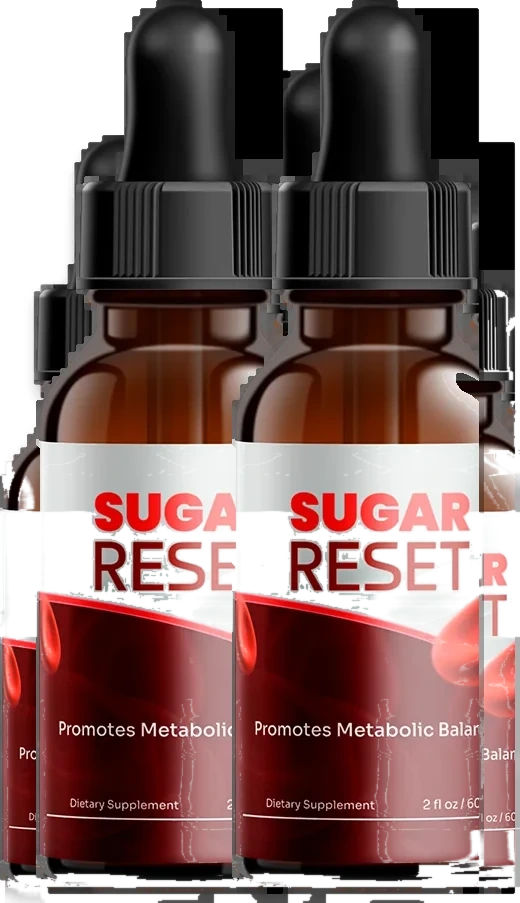
Put any shortlist candidate through the checks above, SugarReset included: its panel names each botanical but keeps them inside a 200 mg proprietary blend, with a stated amount only for chromium picolinate. The full panel and the guarantee terms are laid out on the official page, along with current bundle pricing.
Check Availability & OptionsWhat quality blood sugar management supplements never do
Just as important as the green lights are the patterns that should make you put a bottle back. These are the tells of a product engineered to look impressive and cost little to fill.
Proprietary blends over the headline ingredients. A blend lists several names under one combined weight, so you never learn how much of each you get. That is harmless for minor supporting ingredients but a serious problem when the botanical the product is sold on is hidden inside it — because that is exactly the number you needed. When the star ingredient is in a blend, treat its dose as unverifiable.
Token amounts of famous ingredients. A long, impressive list where every botanical sits far below its studied dose. A capsule holds a fixed volume, so twenty ingredients almost always means twenty tiny amounts. Count the milligrams, not the ingredients.
Claims with no dose to check. “Clinically proven ingredients” is not the same as clinically proven doses. The ingredient may have research behind it; the question is whether this product contains the amount that research used. Claims pitched at a whole day are a special case — see why a 24-hour blood sugar claim cannot be verified at home.
Serving arithmetic that shrinks the supply. A generous per-serving figure paired with a two-capsule, twice-daily serving means a sixty-count bottle is a fifteen-day supply, not a month. Always divide the container count by the daily serving before comparing prices.
Judging value: price per effective dose, not sticker price
This is where most shoppers go wrong, and where the marketplace quietly wins. The cheapest bottle on the page is frequently the most expensive way to buy an effective dose, because it either underdoses everything or runs out twice as fast as it appears to. Sticker price answers the wrong question.
The right question is cost per effective daily dose. Work out how much active you get in a day at the studied amount, how many of those days the container actually holds, and divide the price by that. A nine-dollar bottle that delivers a fifth of a studied dose for fifteen days is not cheaper than a forty-dollar bottle that delivers a full studied dose for a month — it is dramatically more expensive per unit of anything that matters, and that is before you account for whether the cheap one was tested at all. If you want to see how the leading formulas stack up on exactly this basis, our 2026 comparison of glucose-lowering supplements lines them up side by side.
| What to compare | Weak product | Quality product |
|---|---|---|
| Ingredient disclosure | Proprietary blend over the main botanicals | Every active named with its own mg amount |
| Dose vs. research | Token amounts far below studied doses | Primary ingredients near clinically used doses |
| Extract quality | Milligrams only, no standardisation stated | Standardisation percentage or extract ratio printed |
| Verification | No testing mentioned | Third-party tested / certificate of analysis |
| Real value | Low sticker price, high cost per effective dose | Higher sticker price, lower cost per effective dose |
A cheap bottle of underdosed botanicals is not a budget version of a good supplement. It is a different product that happens to share a photograph — and paying less for less is not a saving.
Objection: “Aren't all supplements basically unregulated and therefore equal?”
It is true that supplements are not approved like drugs, and that regulation focuses more on safety and labelling than on proving effectiveness. But “not approved like a drug” does not mean “all the same”. The very fact that oversight is lighter is why the four signals above matter more, not less: in a category where nobody forces a manufacturer to hit a studied dose or verify contents, the brands that choose to do it anyway are giving you the only evidence of quality available. Regulation will not sort the shelf for you. The label, read properly, will.
Objection: “A supplement should replace diet and exercise, right?”
No, and any product sold on that promise is one to avoid outright. The ingredients in this category are studied as support for normal glucose metabolism alongside a sensible diet and regular activity — not as a substitute for either, and never as a substitute for prescribed medication. The trials that found effects ran in people who were still eating and moving like everyone else; the supplement was an addition, not a replacement. A quality formula is a supporting tool for a routine you are already building, and the shoppers who get the most from these products treat them exactly that way. NCCIH says the same in its overview of diabetes and dietary supplements.

A two-minute buying checklist
Bring this to the product page and run it top to bottom. If a product fails two or more, set it aside without further thought — that alone removes most of the noise from the decision.
1. Full disclosure. Is every active ingredient named with its own milligram figure, with no blend covering the headline botanicals?
2. Studied doses. Do at least the primary ingredients land near the amounts used in human trials, not an order of magnitude below?
3. Standardisation. Do the extracts carry a ratio or a marker-compound percentage, so the milligram figure means something specific?
4. Verification. Is there a third-party test, certificate of analysis, or recognised manufacturing standard?
5. Real value. When you divide the price by the number of effective daily doses, how does it actually compare?
The formula we cover on this site, SugarReset, is designed to pass that checklist rather than dodge it, and it is worth putting through the same five questions as anything else on your shortlist. A product that clears all five is not proven to work — but it is a product whose claims you can check, which already puts it ahead of most of the shelf.
Medical note: this article is general buying information, not medical advice. Blood sugar management is a clinical matter. Speak to a healthcare professional before starting any supplement, especially if you take insulin or other glucose-lowering medication, since some of these ingredients can interact with it and lower blood sugar further than intended.
Frequently asked questions
How do I choose a blood sugar supplement?
Start with the label, not the marketing. Look for every active ingredient listed with its own milligram amount, doses that resemble what human trials actually used, standardized extracts, and evidence of third-party testing. A short, fully disclosed formula in studied amounts beats a long list of underdosed botanicals hidden inside a proprietary blend almost every time.
What red flags should I avoid on labels?
Watch for proprietary blends that hide individual doses, headline botanicals present in token milligram amounts, extracts with no standardization percentage, vague clinically proven claims with no dose to check, and serving arithmetic that quietly shrinks the true supply. Any one of these means you cannot verify what you are paying for.
Are proprietary blends a problem?
They can be, when the blend hides the ingredients the product is sold on. A blend lists several names under one combined weight, so you never learn how much of each you are getting. Used for minor supporting ingredients that is harmless, but when the headline botanical sits inside a blend, treat the dose as unverifiable.
How important is third-party testing?
Very. Independent testing across the supplement category has repeatedly found products whose contents do not match their labels, so a certificate of analysis or third-party seal is one of the few checks that a label is telling the truth. It does not prove a formula works, but it confirms that what you are buying is actually inside the bottle.
Scientific references
- NIH Office of Dietary Supplements — Dietary Supplements: What You Need to Know
- NIH NCCIH — Diabetes and Dietary Supplements: What You Need To Know
- NIH Office of Dietary Supplements — Chromium Fact Sheet for Health Professionals
- U.S. FDA — Dietary Supplements overview and labelling
- PubMed 38016844 — Nazari et al., “The Effect of Berberine Supplementation on Glycemic Control and Inflammatory Biomarkers in Metabolic Disorders: An Umbrella Meta-analysis of Randomized Controlled Trials” (Clin Ther, 2024)
Related reading
Run SugarReset through the five-point checklist
Named botanicals inside a 200 mg proprietary blend, a stated chromium amount, one daily serving, and bundle pricing that lowers the cost per day. See the current options and where to buy from the official store.
See SugarReset Options