When to Take Berberine: The Best Time Is With Your Meals
Quick Answer: When Is the Best Time to Take Berberine?
The best time to take berberine is with or shortly after a meal, so the dose lines up with the glucose and blood-fat rise that food triggers. Split your daily amount into two or three 300–500 mg servings across your largest meals, keep the timing consistent every day, and avoid empty-stomach dosing to limit nausea.
- Best window: just before, during, or within 20 minutes of finishing a meal.
- Split it: 2–3 doses a day rather than one large dose.
- Gentler on the gut: always pair each dose with food.
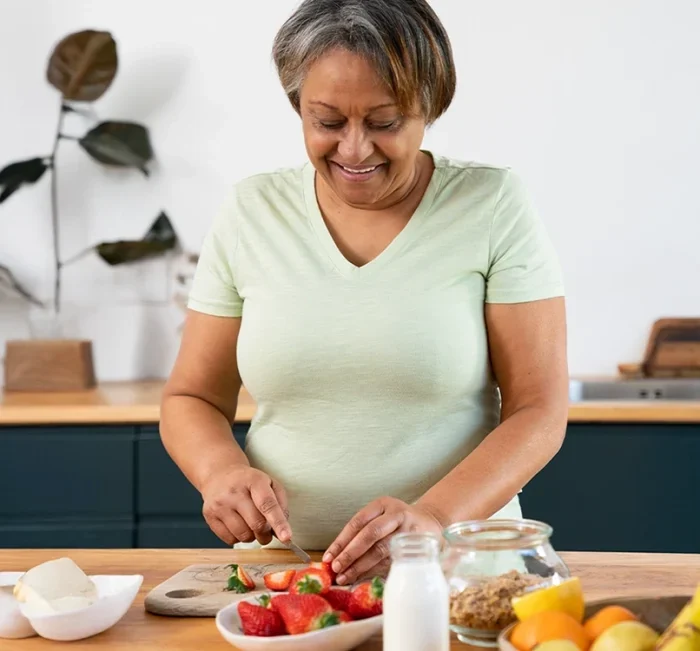
Why knowing when to take berberine changes your results
If you have already bought a berberine supplement, the single most useful thing you can learn is when to take berberine to get the most out of it. Timing is not a minor detail here. Berberine is studied for the way it blunts the sharp rise in blood sugar and blood fats that follows a meal, and a dose only does that job if it is actually in your system while that rise is happening. Swallow it at the wrong moment and you are asking a fast-clearing compound to work when there is nothing for it to work on.
That is the whole logic of the guidance in one sentence: berberine belongs with your food. Nearly every human trial that reported a meaningful effect dosed it around eating, usually two or three times a day, close to the largest meals. The people who see the least from berberine are often not taking the wrong product — they are taking a reasonable product at the wrong time, once a day, on an empty stomach first thing in the morning, and wondering why the numbers on their meter have not moved. The trial most often cited, Yin et al. in Metabolism (2008), dosed berberine three times a day with meals rather than as a single daily amount.
The good news is that fixing timing costs nothing. You do not need a higher dose or a fancier formula. You need to attach the dose you already own to the meals you already eat, and to do it the same way every day. That is the entire routine. Everything below is just the detail behind why it works and how to make it stick.
When to take berberine around each meal
The practical window is wide, which is a relief for anyone worried about setting alarms. Taking berberine just before you eat, partway through the meal, or within roughly twenty minutes of finishing all fall inside the range the research used. What matters is that the dose is tied to the food, not that you hit a precise minute.
If you tolerate it well, taking it right before the first bite is a clean habit — it is hard to forget when it becomes the thing you do as you sit down. If your stomach is sensitive, shifting the dose to partway through the meal or immediately after tends to be gentler, because there is already food buffering it. Both approaches keep the dose synchronised with the post-meal glucose curve, which is the point of the exercise. Our deeper look at the post-meal blood sugar curve and what actually flattens it explains why that window matters so much.
One thing to avoid: the empty-stomach morning dose taken well before breakfast. It is the timing most likely to cause nausea, and it wastes the dose on a stretch of the day when your blood sugar is already at its calmest. Berberine earns its keep when food arrives, so give it food.
Split the dose: two or three servings beat one big one
Berberine does not linger. It is absorbed modestly and cleared fairly quickly, which is exactly why the trials that used it did not give one large daily dose — they split it. A typical research protocol looks like 300 to 500 mg taken two or three times a day, each serving landing with a meal, adding up to somewhere around a gram or a gram and a half across the day. A 2024 Frontiers in Pharmacology systematic review covering berberine alone and in combination describes the same split daily range across the trial literature.
Splitting does two things at once. First, it keeps a working level of berberine present across more of your day, so each of your main meals gets covered rather than just one. Second, it dramatically reduces the digestive complaints that give berberine its reputation. A single large dose is far more likely to leave you queasy or running to the bathroom than the same total amount broken into two or three smaller servings. If you have tried berberine before and quit because your stomach rebelled, the fix is almost always to split and to eat, not to abandon it.
This is also where reading the label carefully pays off. A product might advertise a big number on the front of the box, but what you care about is how much active berberine is in each serving and how many servings the directions call for. If you want to get that arithmetic right, our guide to how to read the doses on a blood sugar supplement label walks through the milligram column step by step so you know what a serving really delivers.
Consistency beats perfection
Here is the part most timing guides bury, and it matters more than any single rule above: berberine is a habit, not an event. The change it is studied for builds over weeks, not hours. One perfectly timed dose does nothing memorable; a dose taken with the same two or three meals every day for a couple of months is where the research signal comes from.
So if you have to choose between a textbook-perfect schedule you cannot keep and a slightly imperfect one you will actually follow every day, choose the one you will follow. Missing the ideal twenty-minute window occasionally is trivial. Skipping doses for three days because the routine was too fiddly is not. Anchor each serving to a meal you never miss — most people are more reliable about eating than about any supplement schedule — and let the meal carry the reminder.
A simple, durable pattern for a typical eater: one serving with breakfast, one with dinner, and if you are on a three-a-day protocol, one with lunch. Attach it to the meal, keep the bottle where you eat rather than in a bathroom cabinet, and the habit builds itself.
A daily routine that is easy to keep
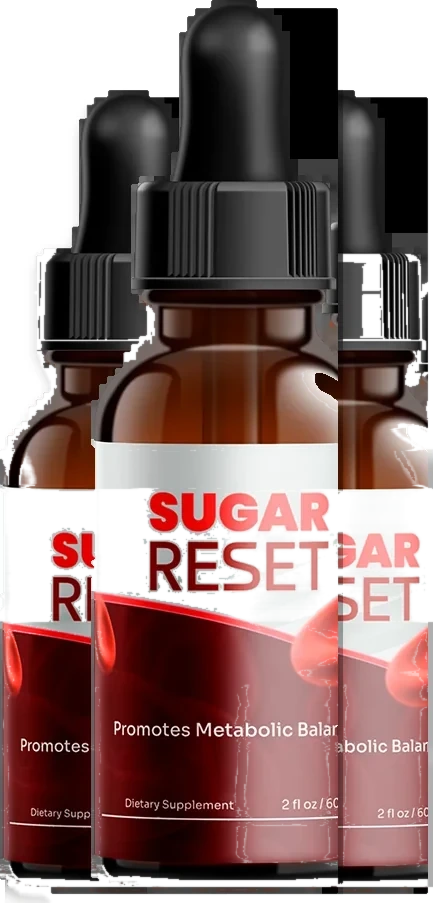
If juggling two or three capsules across the day is the part you know you will not keep up, a liquid formula taken with a meal removes most of the friction. SugarReset is one such liquid — a chromium and botanical blend rather than a berberine product — and its serving, panel and current bundle options are set out on the official page.
Check Availability & OptionsObjection one: “I heard you should take berberine on an empty stomach for better absorption”
This is a common myth worth addressing directly, because it sounds plausible. The idea usually comes from other supplements or medications where an empty stomach genuinely improves uptake. Berberine is not one of them. The human trials that reported results dosed it with food, and taking it away from meals does not give you a documented advantage — it just costs you the timing that lines the dose up with the glucose rise it is meant to meet, and it makes nausea far more likely.
Chasing marginally different absorption on an empty stomach is a poor trade when it means you feel sick and stop taking it. The version of berberine that helps you is the one you keep taking, and that version is taken with a meal. If comfort and consistency point one way and a theoretical absorption tweak points the other, follow comfort and consistency.
Objection two: “Can I just take it all at bedtime so I do not forget?”
A single bedtime dose is convenient, but it works against berberine on two fronts. It bunches your entire daily amount into one large serving, which is the setup most likely to upset your stomach, and it puts that serving at the time of day furthest from your meals. Unless you eat a substantial dinner right before bed, a bedtime dose lands when there is little for it to do.
If forgetfulness is the real problem, solve the reminder rather than compromising the timing. Keep the bottle on the kitchen table or next to the coffee machine, pair the dose with an anchor you never skip, or set a recurring phone reminder at your two main mealtimes. All of those keep the dose with food, where it belongs, without relying on willpower.
Objection three: “Does it matter if I take it with a low-carb meal?”
It matters less than you would think, and it is not a reason to skip the dose. Berberine is studied for more than the response to a single carb-heavy plate — the effects that build over weeks are about how your body handles glucose and blood fats generally, not just about capping one spike. Taking it with a lighter or lower-carb meal still keeps your routine consistent and still buffers the dose against your stomach.
Berberine is also studied alongside its effect on blood lipids, not glucose alone, which is another reason meal timing helps regardless of a single meal's carb count. If that broader picture interests you, our overview of berberine for cholesterol and blood sugar together covers where that evidence is stronger and where it thins out. The short version for timing: take it with the meal in front of you, whatever is on the plate, and keep the streak going. The lipid side of that picture comes from a 2015 Journal of Ethnopharmacology meta-analysis pooling berberine trials across glucose and blood fats.
A simple daily berberine timing template
To pull it together, here is a plain schedule you can adapt. Treat it as a starting point, not a prescription, and follow the directions on your specific product's label first.
| Time of day | What to do | Why it works |
|---|---|---|
| With breakfast | First 300–500 mg serving, just before or during the meal | Covers the morning glucose rise; food buffers the stomach |
| With lunch (3-a-day only) | Second serving alongside your midday meal | Keeps a working level through the afternoon |
| With dinner | Final serving with your largest evening meal | Covers the biggest post-meal spike of the day |
| Every day | Same meals, same routine, for 8–12 weeks | The studied effect builds gradually with consistency |
Notice what is not in that table: exact clock times, empty-stomach doses, and one giant serving. Everything is pinned to food and spread across the day. That is the whole method. The form you choose — capsules, or a daily liquid like SugarReset, which is a chromium and botanical blend rather than a berberine supplement — changes the logistics, but the principle is identical: pair the dose with a meal and repeat it.
Timing is the cheapest upgrade there is. You already own the bottle; taking it with food, split across your meals, and doing it every day costs nothing and is the difference most people are missing.
What good timing cannot do
It is worth being honest about the ceiling here. Perfect timing makes a supplement work as well as it can; it does not turn a supplement into a treatment. Berberine is studied as support for normal glucose metabolism alongside diet and activity, not as a replacement for either, and certainly not as a substitute for prescribed medication. NCCIH puts it the same way in its overview of diabetes and dietary supplements: supplements are studied as support, not as treatment.
Timing also cannot rescue an underdosed product. If each serving carries a fraction of a studied amount, taking that fraction at the perfect moment still leaves you short. That is why the milligram content of your specific product matters as much as the schedule — and why it is worth knowing whether you are getting standardised berberine HCl or an unstandardised extract of unknown strength. Our comparison of berberine HCl versus standardised extract potency shows how to check the active amount you are actually taking.
Medical note: this article is general reading, not personal medical advice. Berberine can lower blood sugar and may interact with insulin and other glucose-lowering medication, potentially dropping levels further than intended. Speak to a healthcare professional before starting berberine, especially if you take any medication or manage a health condition.
Frequently asked questions
When is the best time to take berberine?
Take berberine with or shortly after your meals, because that is when the food-driven rise in glucose and blood fats actually happens. Splitting the daily amount across your two or three largest meals keeps a steadier level in your system than a single dose, and staying consistent day to day matters more than hitting an exact clock time.
Should I take berberine before or after eating?
Either just before eating or within about twenty minutes of finishing works well, since both keep the dose tied to the meal it is meant to accompany. Many people find that taking it partway through or right after food is gentler on the stomach than taking it on an empty one, so if you notice nausea, shift the dose later into the meal.
Can I take all my berberine at once?
It is usually better to split it. Berberine clears from the body fairly quickly, so dividing the daily amount into two or three smaller doses of roughly 300 to 500 mg keeps it working across more of the day and tends to cause less digestive upset than a single large dose taken all at once.
Does timing affect side effects?
Yes. The most common complaints with berberine are digestive, such as nausea, cramping or loose stools, and they are far more likely on an empty stomach or with one big dose. Taking each dose with food and spreading the total across the day is the simplest way to stay comfortable while keeping your routine consistent.
Scientific references
- NIH NCCIH — Diabetes and Dietary Supplements: What You Need To Know
- NIH Office of Dietary Supplements — Dietary Supplements: What You Need to Know
- PubMed 18442638 — Yin et al., “Efficacy of berberine in patients with type 2 diabetes mellitus” (Metabolism, 2008)
- PubMed 36941490 — Blais et al., “Overall and Sex-Specific Effect of Berberine for the Treatment of Dyslipidemia in Adults: A Systematic Review and Meta-Analysis of Randomized Placebo-Controlled Trials” (Drugs, 2023)
- Harvard T.H. Chan School of Public Health — Carbohydrates and Blood Sugar
Related reading
Make the timing easy with a daily serving
SugarReset delivers its 200 mg botanical blend and its chromium in a single daily liquid serving you take with a meal — the with-food timing this whole guide points at, without the pill-counting. See the current bundles and where to buy from the official store.
See SugarReset Options