Berberine for Cholesterol and Blood Sugar: The Dual Metabolic Effect
Quick Answer: Does berberine lower cholesterol as well as blood sugar?
Some human trials suggest berberine for cholesterol has a moderate effect, modestly lowering LDL, total cholesterol and triglycerides while also supporting healthy glucose. The likely mechanisms are AMPK activation and increased LDL-receptor activity, and changes typically build over 8 to 12 weeks. Berberine is not a statin replacement — discuss any change with your clinician.
- What it may do: modest reductions in LDL, total cholesterol and triglycerides.
- How: AMPK activation plus upregulated LDL receptors clearing more LDL.
- Timeline & limits: expect 8–12 weeks; not a statin substitute — consult a clinician.
Most people meet berberine as a blood-sugar ingredient and are surprised to learn the same compound keeps appearing in conversations about lipids. That is the interesting part of the story: when researchers study berberine for cholesterol, several trials report it nudging LDL, total cholesterol and triglycerides downward at the same time as it supports healthy glucose. One ingredient, two metabolic markers. This article walks through what that dual effect actually looks like in the data, why it happens biologically, how long it takes, and — just as importantly — the firm limits, starting with the fact that berberine is nobody's substitute for a prescription.
The reason this matters commercially and personally is that cholesterol and glucose problems travel together. Insulin resistance and unfavourable lipids are frequent companions, so an ingredient that plausibly touches both is worth understanding properly rather than dismissing as hype or over-selling as a cure. The honest middle ground is where the useful information lives.

What the trials say about berberine for cholesterol
Across a number of randomised human trials and the meta-analyses that pool them, berberine has been associated with modest reductions in LDL cholesterol, total cholesterol and triglycerides, and in some studies a small rise in HDL. The word to hold onto is modest. These are real, measurable shifts in the studies that found them, but they are not the large reductions that a potent statin can produce, and they vary meaningfully from person to person. Anyone hoping a supplement will transform a lipid panel overnight is setting themselves up for disappointment. A 2015 meta-analysis in the Journal of Ethnopharmacology pooling berberine trials in type 2 diabetes, hyperlipidaemia and hypertension reported exactly that pattern of modest lipid movement.
Two caveats keep the picture honest. First, much of the strongest lipid research on berberine comes from studies conducted in specific populations, and results do not automatically generalise to everyone. Second, trial quality varies, and pooled effects can be pulled around by a few larger studies. The responsible reading is that berberine may offer supportive, moderate help with cholesterol markers for some people — a reasonable expectation, not a guarantee. For the broader base of evidence on the same ingredient, see our guide to the wider evidence for berberine's blood-sugar benefits, which shares much of this literature.
How one ingredient moves both cholesterol and glucose
The dual effect is not a coincidence; it follows from where berberine acts. Its best-described mechanism is activation of AMP-activated protein kinase, or AMPK — a master regulator of cellular energy that influences how cells handle both glucose and fat. Because AMPK sits upstream of both pathways, switching it on can, in principle, ripple into glucose metabolism and lipid metabolism at the same time. That single shared lever is the simplest explanation for why berberine shows up in two different sets of research. NCCIH’s summary of what is known about berberine describes the same mechanism and the same limits on the evidence.
For cholesterol specifically, there is a second, more targeted mechanism. Studies indicate berberine can increase the activity of LDL receptors in the liver — the docking points the liver uses to pull LDL cholesterol out of the bloodstream. More active receptors mean more LDL cleared, which is a genuinely different route from how statins reduce cholesterol production. Interestingly, that difference is part of why the two are sometimes discussed together by researchers, though that is a clinical decision and not something to attempt on your own. That mechanism has been described directly: Li et al. in Biological and Pharmaceutical Bulletin (2014) reported berberine up-regulating the hepatic LDL receptor through an AMPK-dependent route. This is laboratory work, not a clinical outcome.
Berberine's appeal is that one ingredient acts on shared metabolic machinery — AMPK for energy, LDL receptors for clearance — which is why the same compound keeps surfacing in both cholesterol and blood-sugar research.
Want berberine as part of a broader metabolic formula?
If berberine's dual metabolic role appeals to you, the practical question is dose and format — and berberine is not on the SugarReset panel. The official SugarReset page lays out its actual ingredient list, its bundle options and its returns policy in one place, so you can judge the fit yourself.
View the Official SugarReset Page
How long berberine takes to affect cholesterol
Timeline is where expectations go wrong most often. In the trials, lipid changes with berberine build gradually — the meaningful shifts typically appear over roughly 8 to 12 weeks of consistent daily use, not in the first week. This is a cumulative, metabolic effect, so patience and consistency are part of the protocol rather than optional extras. If you try berberine for a fortnight, see nothing, and quit, you have not really tested it.
Consistency in turn depends on dose and timing, because the same amount taken differently can absorb and be tolerated differently. The studied range for berberine is roughly 900 to 1,500 mg per day, and it is almost always split across meals — partly for absorption, partly because a single large dose is hard on the stomach. Getting the everyday mechanics right matters, which is why it is worth reading up on the best time to take berberine with meals before you start, so the routine is one you can actually keep for three months.
The sensible way to know whether it is helping you specifically is to test. A baseline lipid panel, consistent dosing at a studied amount, and a repeat test after a couple of months — ordered and interpreted with your clinician — turns "I think it's working" into an actual before-and-after. That is far more useful than any promise on a label.
| Marker | Typical direction in trials | Magnitude | Likely mechanism |
|---|---|---|---|
| LDL cholesterol | Down | Modest | Upregulated liver LDL receptors clear more LDL |
| Total cholesterol | Down | Modest | Combined AMPK and LDL-receptor effects |
| Triglycerides | Down | Modest | AMPK influence on fat metabolism |
| HDL cholesterol | Small rise in some studies | Small / variable | Less consistent across trials |
| Fasting glucose & HbA1c | Down | Moderate | AMPK-driven glucose-metabolism support |
The objection that matters most: berberine is not a statin
This is the single most important paragraph on the page, so it gets stated plainly. Berberine is not a replacement for statins or any prescribed cholesterol medication. Statins have decades of large outcome trials behind them showing they reduce cardiovascular events, not just lab numbers; berberine's evidence is smaller, its effects more modest, and it has nothing like the same outcome data. Treating a supplement as a swap for a prescription — or stopping a medication because a bottle promised results — is a genuinely risky move, and no honest article would encourage it. The American Heart Association’s guidance on cholesterol sets out what that prescribed treatment is for and why it is not something to drop on your own.
Where berberine may fit is as possible support for people whose situation and clinician make that reasonable: someone with borderline numbers pursuing lifestyle change, or someone using it alongside — never instead of — a treatment plan they and their doctor have agreed. Even then, interactions are a real consideration, because berberine can affect how some medications are metabolised and can lower blood sugar further when combined with glucose-lowering drugs. The recurring theme of this whole category is that the stronger the ingredient, the more it deserves a professional conversation, and berberine is the strongest ingredient in the category.
Where berberine sits among the alternatives
It helps to place berberine in context rather than in isolation. Among the ingredients marketed for metabolic support, it stands out precisely because it plausibly touches two markers at once, which few others do. That said, "touches two markers" is not the same as "best for both," and the right comparison depends on what you actually care about. Our evidence-graded comparison of glucose-lowering supplements ranks berberine against chromium, cinnamon and the trendier options for glucose specifically, and it is a useful companion to this lipid-focused piece.
There is also the question of pairing. Because berberine works largely through AMPK, some people combine it with ingredients that act elsewhere in insulin biology — the logic behind pairing berberine with inositol for insulin sensitivity. Whether a single ingredient or a thoughtfully combined formula suits you comes down to your goals, your tolerance and, again, a conversation with someone who knows your history.
The formula we cover on this site, SugarReset, does not contain berberine: it is a daily liquid built on chromium picolinate with gymnema, African mango, green tea, maca and Panax ginseng inside a 200 mg proprietary blend, and only the chromium carries a stated amount. We say that plainly because it is the honest answer to the question this article raises — if the dual lipid-and-glucose effect described here is what you are after, that effect belongs to berberine at the studied dose, not to a blend that does not list one. As with everything in this space, the right move is to read the panel, match it to the evidence, and decide with your eyes open rather than on the strength of a headline.
Medical note: this article is general reading, not personal medical advice. Speak to a healthcare professional before starting any supplement, especially if you take cholesterol or glucose-lowering medication, are pregnant or nursing, or manage an existing health condition. Never stop a prescribed medication in favour of a supplement.
Frequently asked questions
Can berberine lower cholesterol?
Some randomised human trials report that berberine can modestly lower LDL cholesterol, total cholesterol and triglycerides, often alongside improvements in blood sugar. The effects are generally moderate rather than dramatic and vary between people. Berberine is a dietary supplement, not a lipid-lowering medication, so it should be viewed as possible support for healthy cholesterol levels rather than a treatment, and used under professional guidance if you already manage a lipid condition.
How does berberine affect both cholesterol and glucose?
Berberine appears to work partly by activating AMPK, an enzyme that influences how cells handle both fat and glucose, which is why the same ingredient can touch two different markers. For cholesterol specifically, research also points to increased activity of LDL receptors in the liver, helping clear LDL from the blood. Acting on shared metabolic machinery is the reason berberine shows up in both cholesterol and blood-sugar discussions.
Is berberine a replacement for statins?
No. Berberine is not a replacement for statins or any prescribed cholesterol medication. Its effects are more modest and far less thoroughly established than those of statins, which have extensive outcome data. Anyone taking or considering cholesterol medication should make decisions with their clinician, and should never stop a prescription in favour of a supplement. Berberine may have a supporting role for some people, but it does not substitute for medical treatment.
How long before cholesterol changes show?
In trials, lipid changes with berberine tend to build gradually rather than appear immediately, with meaningful shifts typically seen over roughly 8 to 12 weeks of consistent daily use at studied doses. This is a slow, cumulative effect, so short trials of a week or two are unlikely to show much. Consistent dosing and periodic testing with your clinician are the sensible way to judge whether it is doing anything for you.
Related reading
- Berberine supplement benefits: a blood-sugar guide
- The best time to take berberine with meals
- Berberine + inositol for blood sugar support
- Glucose-lowering supplements compared (2026)
Scientific references
- NIH NCCIH — Diabetes and Dietary Supplements
- PubMed 30466986 — Ju et al., “Efficacy and safety of berberine for dyslipidaemias: A systematic review and meta-analysis of randomized clinical trials” (Phytomedicine, 2018)
- PubMed 15531889 — Kong et al., “Berberine is a novel cholesterol-lowering drug working through a unique mechanism distinct from statins” (Nat Med, 2004)
- American Heart Association — Cholesterol basics
- Mayo Clinic — Cholesterol: Top foods and lifestyle steps
- NIH Office of Dietary Supplements — Fact sheet directory
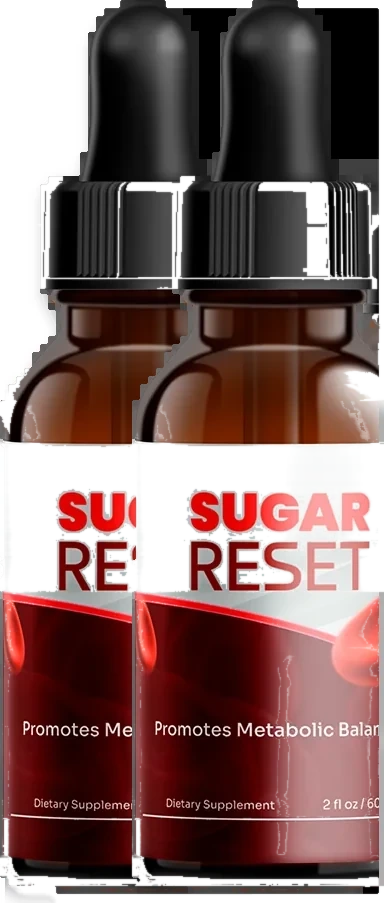
See what SugarReset’s formula contains
SugarReset is a daily liquid whose botanicals sit inside a 200 mg proprietary blend, with a stated amount only for chromium and no berberine listed. The official store sets out the full ingredient list, the bundle options and the returns terms so you can compare them against the studied ranges above.
See SugarReset Options